


Inside a Cupix-hosted FCON 2026 roundtable with 15 ANZ practitioners on procurement, BIM, AI adoption and the workforce culture shaping Australia’s $242 billion pipeline.
Cupix marked the launch of Constructing Reality, its first ANZ regional report, with a working lunch at FCON. The report draws on contributions from John Holland, Built, SouthBase, Cross River Rail and Bureau Veritas. Around the table sat fifteen practitioners, a cross-section of the pipeline: tier-one head contractors, civil delivery and engineering firms, property developers, data centre operators and other asset owners, alongside digital engineering, IT and program leaders drawn from both delivery and client-side organisations. The lunch borrowed its discipline from the report: off-the-record, practitioner-led, no pitch.
What follows is a synthesis of the conversation, organised around the four questions that ran the table.
Australia has a conversion problem, not a pipeline problem
Infrastructure Australia’s published five-year pipeline of major public infrastructure sits at $242 billion, its highest level since the agency began tracking it. Productivity has been flat for years. The same report projects the sector is short 141,000 workers today, a shortfall that could reach 300,000 by 2027. ESG reporting is no longer optional for the largest reporters. The pipeline is the opportunity. The constraint, the room agreed quickly, is procurement.
One participant put it bluntly. A client decides to award, then funding shifts, conditions shift, and a project scheduled to start in two weeks starts nine months later. Resources priced into a fixed bid inflate over that window. Contractors are forced back to renegotiate or walk.
Another sharpened the point. Crews sit ready. Clients push the start back. The worst pattern is not a single six-month slip; it is a string of two-week ones. “It’s just two more weeks. And then suddenly it’s not going at all.” That breadcrumbed delay is the most expensive form of indecision in the system, because every party holds optionality on resources they cannot deploy.
The model wins where the client leads from the front
Kurt Brissett of Built, quoted in Constructing Reality, puts 80% of cost and time overruns back at the design stage. The room confirmed it.
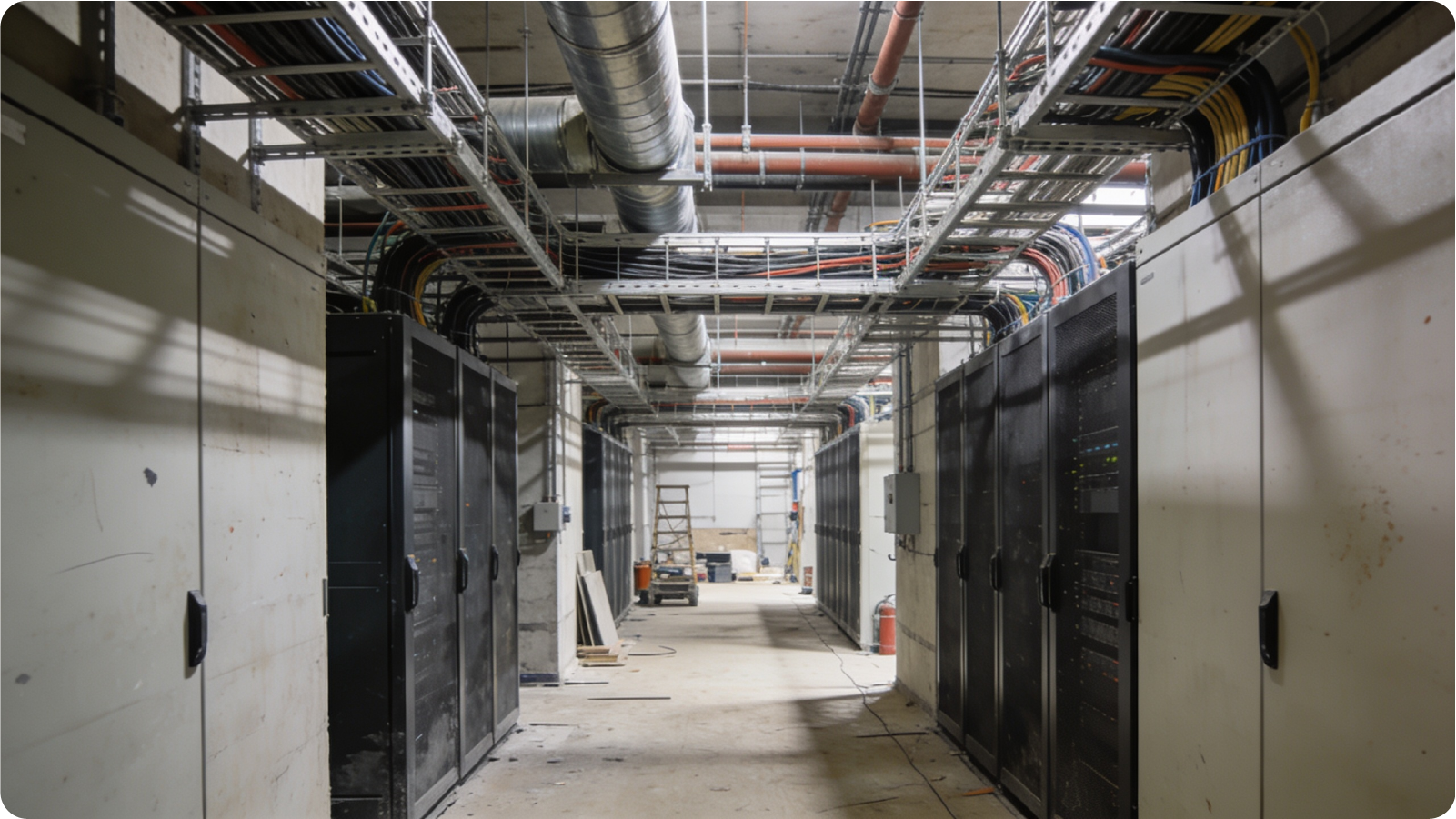
For most Tier One head contractors in the building sector, fully coordinated models are now business as usual. One participant referenced a hospital project that ran 120 BIM coordination resources from 2011 to 2017. What is changing is civil infrastructure: tunnels are now being delivered through fully tagged BIM, a workflow civil has historically avoided. Victoria’s recent uplift of its digital engineering standard now sits ahead of where most of the industry is resourced to deliver.
The economics are simple. The room cited around $130 an hour as the working cost of getting a tradesperson onto site to resolve a clash. A few clashes caught upstream pay for the model many times over.
Models alone are not enough. Two conditions came up repeatedly. Critical inputs need to be in the model from day one, and design houses cannot always supply them, which is pushing Tier Ones to pull service trades and specialty subcontractors into Early Contractor Involvement. And scopes need to be defined. Vague language from immature clients pushes risk down the chain. The mature end of the market leads from the front: Defence and AI-related programs now require LOD 500 from the outset, and modular data centre work has no tolerance for stick-building. “There’s no time to be stick-building and not using a model. It’s just not an option.”
The gap between intent and reality is closing where the client leads with digital requirements. It is widening everywhere else.
AI is a value-corrector, not a value-creator
The RICS 2025 survey puts skills shortage at 46% of cited AI barriers and poor data quality at 30%. The view around the table was more honest.
One participant used AI for tender drafting. Useful, not yet trusted. What worried them was a tender platform marketing itself on being able to “spit out the winner” and recommend a sub on the back of a model output. The concern was not the tool. It was what the tool removes: the muscle memory built by assessing tenders, breaking down trades, reading contract conditions, and learning to recognise a wrong answer. Lose that, and the model has no auditor.
Another offered the counterweight. Where AI is reaching its potential is in workflow automation, document comparison, agentic compliance checks, and connecting systems through MCP so one interface can query across many platforms. Their team runs agents that verify a pre-contracts submission line by line against the client’s tender requirements before the bid leaves the building. The model does not write the bid. It audits it.
The room landed on three principles. Ring-fence the model inside the enterprise tenancy. Trust is incremental, and construction is risk-averse for good reasons. And the firms that win are the ones that bake decades of organisational experience into a model that compounds, turning bid history, safety data and defect data into a proprietary corpus.
One participant captured the tension neatly: AI compares two things and surfaces what is different. The expertise to know which difference matters still sits with the human. Which is exactly why the institutional knowledge walking out of the industry right now matters so much. Capture it before it goes.
Adoption moves at the pace of culture, not code
One participant described long-tenured teams where the same workflow had run for over a decade, and appetite for digitisation was uneven. The issue was culture, not capability. Workforces with deep institutional muscle memory tend to favour the methods they know, and the pace at which AI embeds moves only as fast as that culture allows.
The generational gap is widening on both sides. Teenagers default to a chatbot the way previous generations defaulted to a search bar, and rarely stop to ask whether the answer is right. The older end of the workforce will not engage at all. The middle, which has the judgment to audit AI output, is the smallest cohort.
What the lunch said, in one line
The constraint on the $242 billion pipeline is not capital, technology or talent in isolation. It is the speed at which decisions get made and stuck to, the discipline of getting design intent into a model early, the trust gap on AI, and the cultural drag in parts of the workforce that have not had to change for decades.
Where Cupix fits
The thread through every question was the same: the cost of the gap between what was decided, what was designed, and what gets built. That gap is widest where decisions are slow, where models are not fed with what is actually being installed, and where the people who could audit either are walking out the door.
Cupix is the industry’s Spatial Intelligence Platform. It Detects the discrepancies that matter as site reality changes. It Aligns design intent with what is actually being built, so the model and the site never drift apart. It Protects teams with a time-stamped spatial record that holds up to claims, audits and handover years later.
For the four problems the FCON lunch put on the table, that is the practical answer. Detect, Align, Protect: Cupix turns site reality into decisions teams can act on with confidence.